Knowledge Article
The Security Workstream
Author
ryan_cutter
SailPoint
The security workstream is the cornerstone of identity security, focusing on safeguarding the integrity, confidentiality, and availability of access and identities across all systems. Its primary objective is to protect organizations from threats and vulnerabilities by implementing proactive measures such as access reviews, lifecycle management, activity monitoring, and privileged access controls.
This article outlines the key steps in developing a comprehensive security workstream, leveraging SailPoint’s capabilities to enhance security posture and mitigate risk.
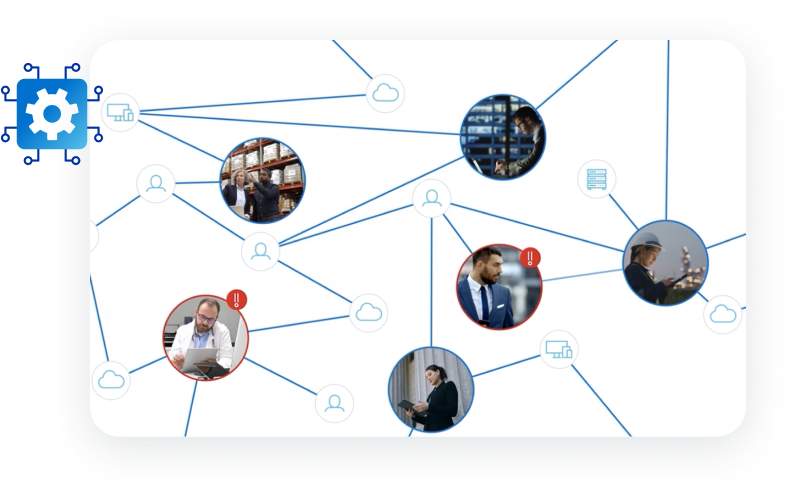
Introduction to the Security Workstream
The security workstream is dedicated to:
- Protecting access and identities: Ensuring that all user and system accesses are secure and compliant.
- Mitigating threats and vulnerabilities: Proactively identifying and addressing potential security risks.
- Maintaining operational efficiency: Streamlining security processes without hindering business operations.
By focusing on these areas, organizations can build a robust security framework that not only defends against current threats but also adapts to emerging challenges.
Step 1: Implement regular access reviews
Access reviews are a critical foundational component of an identity security strategy. They serve as a proactive measure to ensure that users have the appropriate permissions necessary for their roles.
Best practices:
- Leverage existing data sources: Utilize user data and access information onboarded from other workstreams to initiate access reviews with minimal effort.
- Use AI-assisted recommendations: SailPoint's AI capabilities can analyze access patterns and provide insightful recommendations during reviews.
- Identify and remove over-provisioning: Regularly audit permissions to detect and eliminate unnecessary or outdated access rights.
- Enhance decision-making: Familiarity with current access levels aids in informed decisions about role assignments and initiates necessary cleanup processes.
Implementing regular access reviews fosters a culture of accountability and vigilance, enhancing overall security posture while ensuring user access aligns with business needs.
Step 2: Manage identity lifecycle processes
Managing the identity lifecycle is crucial for maintaining security and operational efficiency. This involves establishing comprehensive processes for various scenarios:
- Onboarding new employees: Grant access rights promptly to enable productivity from day one.
- Offboarding departing employees: Revoke permissions swiftly to mitigate security risks.
- Handling transitions: Adjust access for promotions, relocations, leaves of absence, rehiring, and employment conversions.
Best practices:
- Automate workflows: Utilize SailPoint's identity lifecycle management to streamline processes and reduce manual errors.
- Ensure timely updates: Keep access rights current to reflect employees' roles and responsibilities accurately.
- Maintain compliance: Align lifecycle processes with regulatory requirements and internal policies.
By efficiently managing the identity lifecycle, organizations can ensure that the right people have the right access at the right time, safeguarding sensitive information throughout the employee journey.
Step 3: Incorporate activity signals for proactive security
Incorporating activity signals is essential for gaining real-time insights into account and access usage.
Best practices:
- Consume activity information: Integrate high-value activity data streams into SailPoint to monitor user behaviors.
- Utilize identity risk solutions: Leverage SailPoint’s Identity Risk solution to detect threats and respond promptly.
- Optimize access decisions: Use activity data to enhance access review decisions and recommendations.
- Reduce unnecessary access: Identify and eliminate accounts or permissions that are no longer needed, reducing costs and minimizing risk.
By analyzing activity signals, organizations become more proactive in their security measures, anticipating and mitigating potential threats before they materialize.
Step 4: Streamline access requests and approvals
Understanding how access is granted is pivotal in maintaining a secure environment. Introducing access request processes provides a controlled means for users to obtain additional permissions beyond predefined roles.
Best practices:
- Implement access request workflows: Establish processes for users to request situational access that may not be covered by role-based models.
- Automate fulfillment: Use SailPoint to automatically fulfill approved access requests, enhancing efficiency.
- Enhance data intelligence: Allow SailPoint's AI to learn from access changes, improving insights, outlier detection, and future recommendations.
- Maintain oversight: Ensure all access requests are tracked and audited for compliance purposes.
This approach not only secures the access granting process but also enriches the organization's understanding of access needs and patterns.
Step 5: Automate privileged and high-risk access
Focusing on the automation of privileged and high-risk access is essential for enhancing security and mitigating potential threats.
Best practices:
- Leverage privileged task automation (PTA): Utilize SailPoint's PTA to automate the approval and provisioning of privileged access without exposing sensitive credentials.
- Integrate with PAM systems: Connect SailPoint with privileged vaults and Privileged Access Management systems to monitor and control privileged sessions in real-time.
- Implement real-time monitoring: Establish alerts and audit trails for suspicious activities involving high-risk access.
- Minimize human error: Reduce manual interventions to lower the risk of mistakes that could lead to security breaches.
By automating these processes, organizations can fortify their security measures while enhancing operational efficiency, allowing IT teams to focus on strategic initiatives.
Step 6: Establish policy-based separation of duties (SoD)
Creating a mature, policy-based approach to Separation of Duties (SoD) is vital for minimizing the risk of fraud and error within an organization.
Best practices:
- Utilize in-depth access models: Leverage the detailed insights from SailPoint's access models to define clear SoD policies.
- Implement Access Risk Management (ARM): Use SailPoint's ARM module to analyze user access patterns and relationships, identifying potential SoD violations proactively.
- Automate policy enforcement: Enforce SoD policies through automated workflows to streamline access reviews and remediation processes.
- Ensure compliance: Align SoD policies with regulatory requirements and internal governance standards.
This systematic approach fosters a culture of accountability and transparency, strengthening the organization's overall governance framework.
In a nutshell
Enhancing security in identity management requires a comprehensive and proactive approach. By focusing on the key areas outlined in the security workstream, SailPoint customers can:
- Implement regular access reviews: Ensure users have appropriate permissions and identify discrepancies.
- Manage identity lifecycle processes: Maintain up-to-date access rights throughout employee transitions.
- Incorporate activity signals: Use real-time data to detect threats and optimize access decisions.
- Streamline access requests: Control how additional access is granted and learn from access patterns.
- Automate privileged access: Secure high-risk access through automation and integration with PAM systems.
- Establish separation of duties: Define and enforce SoD policies to prevent conflicts of interest and fraud.
Final recommendations:
Invest in building a robust security framework that integrates these best practices into your identity management strategy. Regularly review and update your security measures to adapt to evolving threats and regulatory changes. Collaborate with SailPoint's support and professional services to maximize the effectiveness of your security workstream and protect your organization's most valuable assets.